

Excavator Buckets & Digger Buckets For Sale
All
Auction
Buy Now
Types: Excavator Bucket
2.4k results
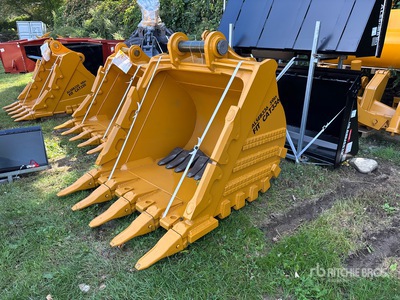 Lot 2632
North Franklin, CT
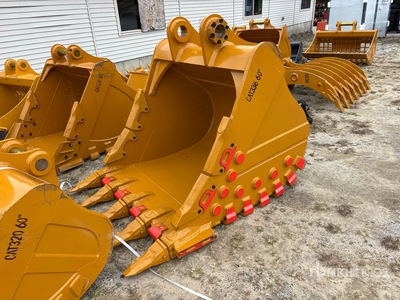 Lot 2723
North Franklin, CT
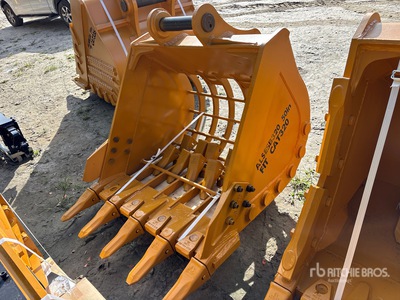 Lot 2639
North Franklin, CT
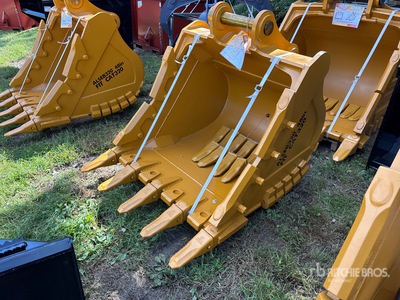 Lot 2633
North Franklin, CT
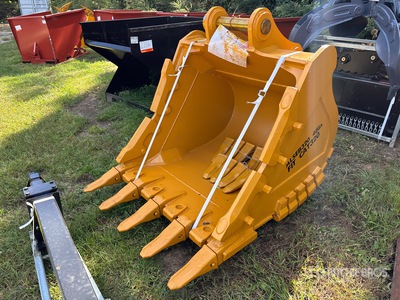 Lot 2635
North Franklin, CT
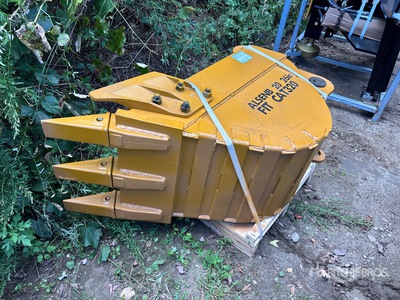 Lot 2638
North Franklin, CT
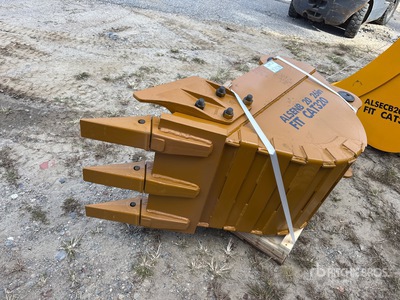 Lot 2637
North Franklin, CT
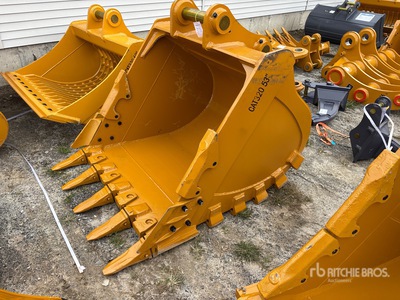 Lot 2725
North Franklin, CT
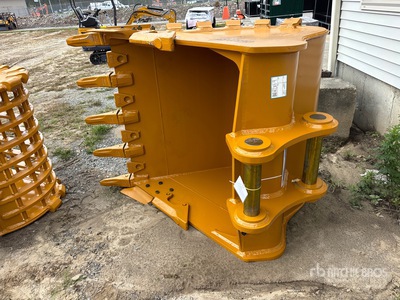 Lot 2726
North Franklin, CT
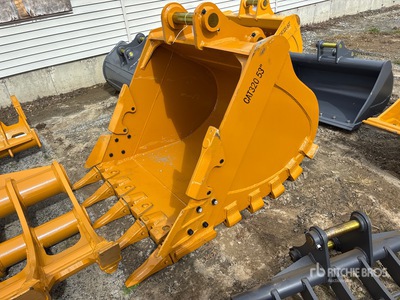 Lot 2727
North Franklin, CT
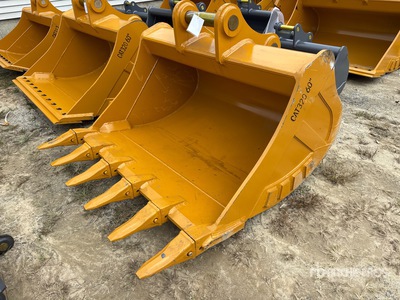 Lot 2724
North Franklin, CT
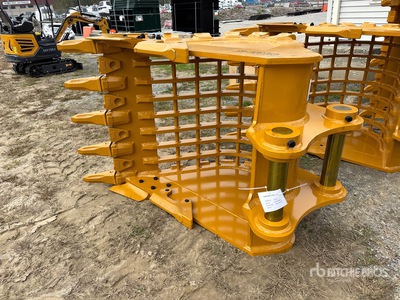 Lot 2722
North Franklin, CT
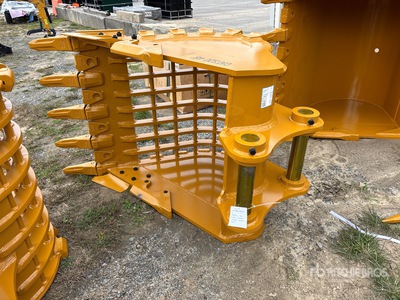 Lot 2721
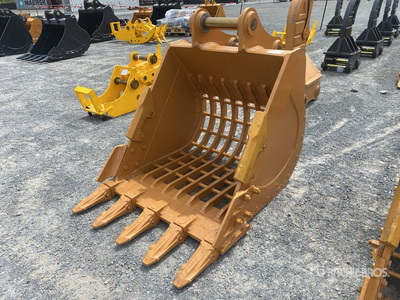
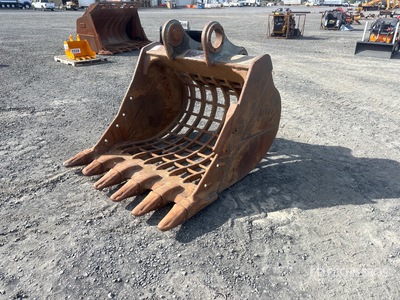
2026 Warrior WBSC20-1100 44 in 44 in Skeleton Excavator Bucket - Fits Cat 320 / 20 - 25 ton (Unused)
North Franklin, CT
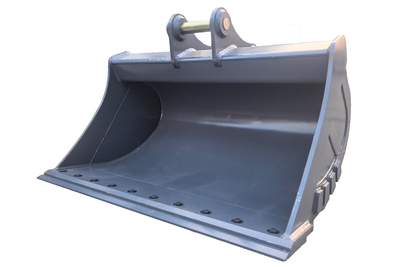 Lot 4437
North East, MD
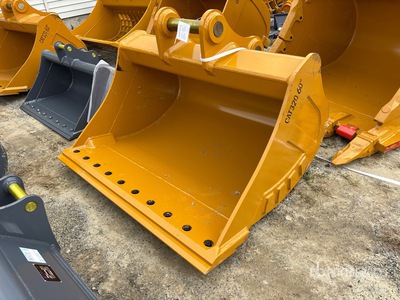 Lot 2711
North Franklin, CT
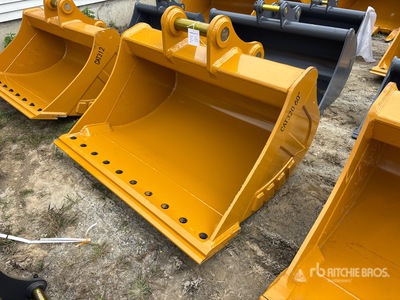 Lot 2710
North Franklin, CT
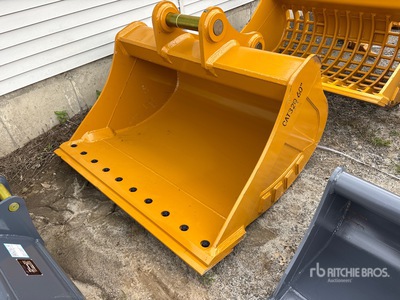 Lot 2709
North Franklin, CT
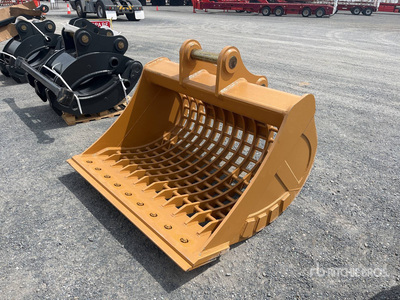 Lot 4261
North East, MD
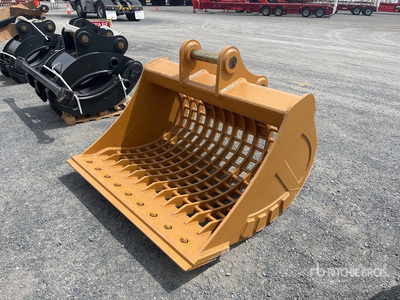 Lot 4262
North East, MD
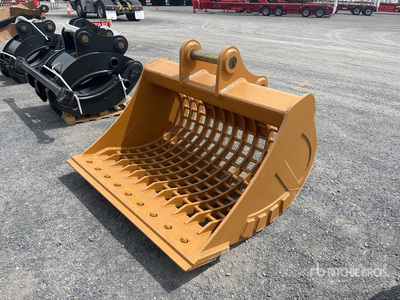 Lot 4260
North East, MD
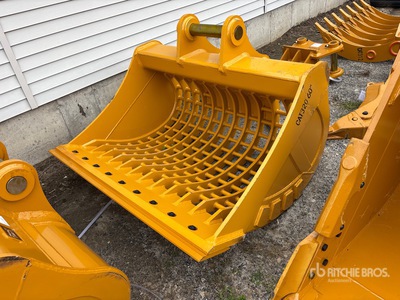 Lot 2720
2026 Warrior WBSC20-1500 60 in Skeleton Cleanup Excavator Bucket - Fits Cat 320/20 - 25 ton (Unused)
North Franklin, CT
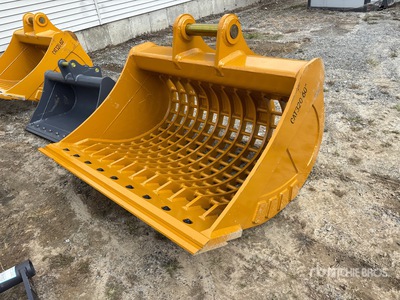 Lot 2718
North Franklin, CT
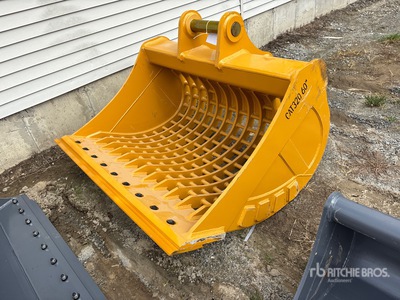 Lot 2719
North Franklin, CT
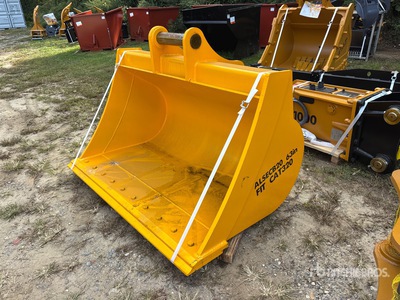 Lot 2629
North Franklin, CT
 Lot 2628
North Franklin, CT
 Lot 2708
North Franklin, CT
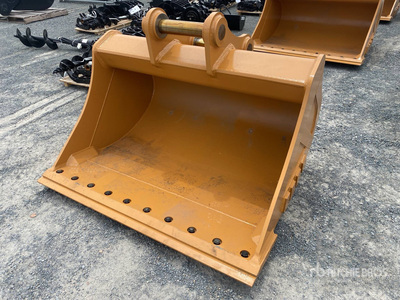
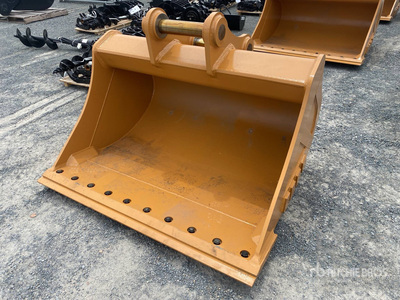
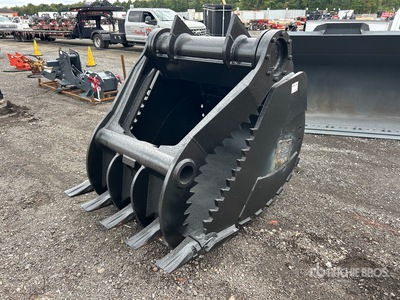
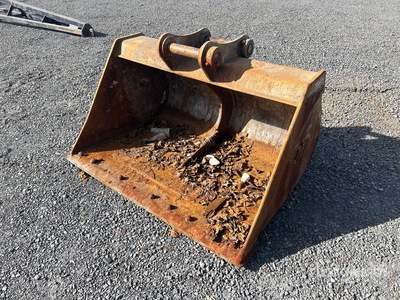
181-240 of 2451
What are excavator buckets used for?
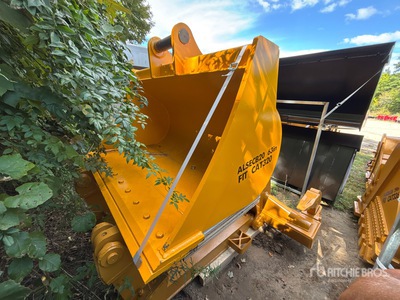
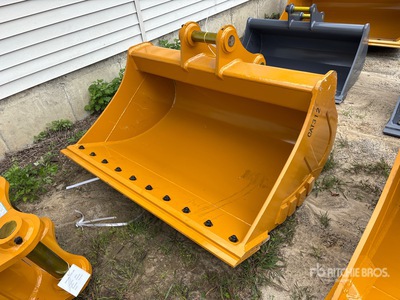
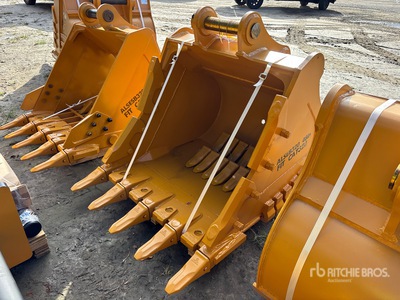
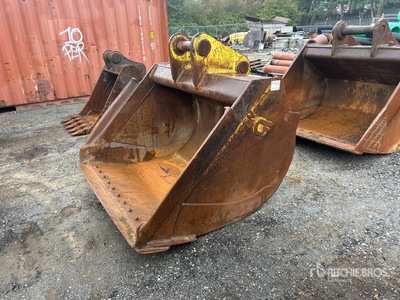
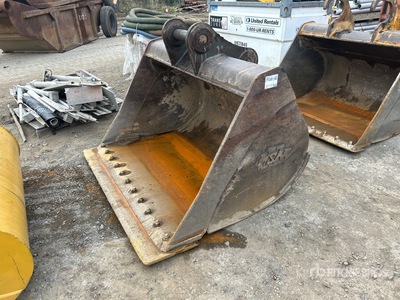
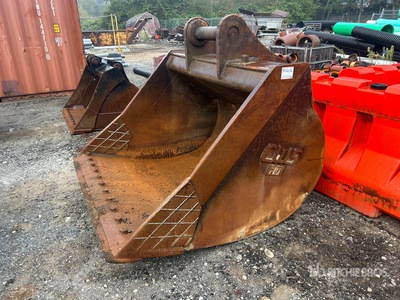
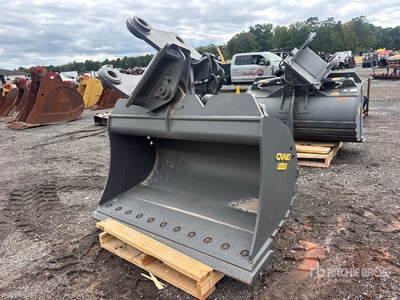
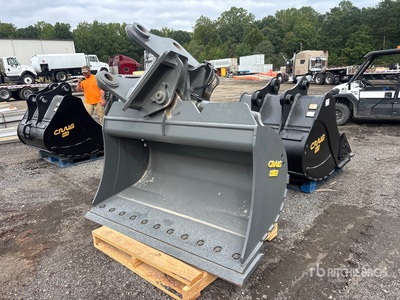
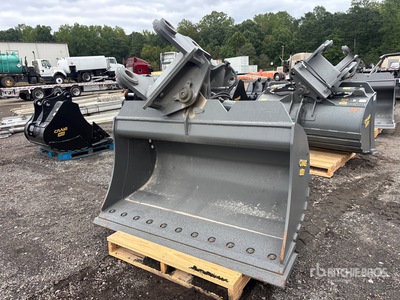
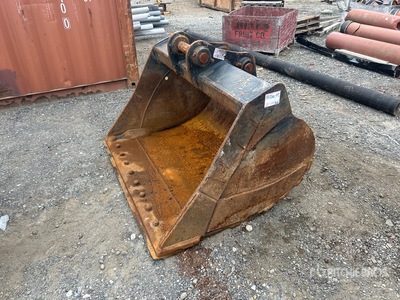
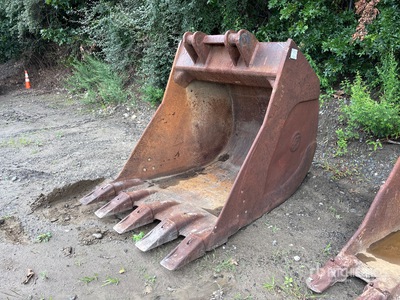
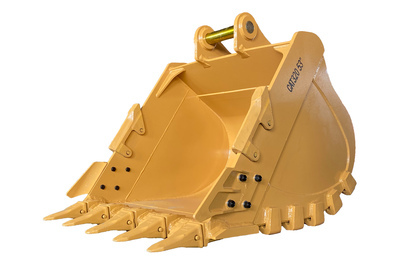
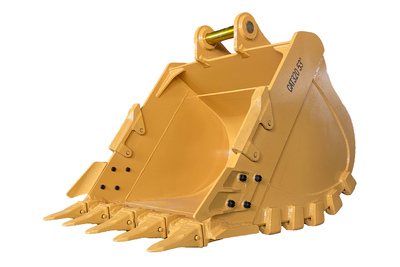
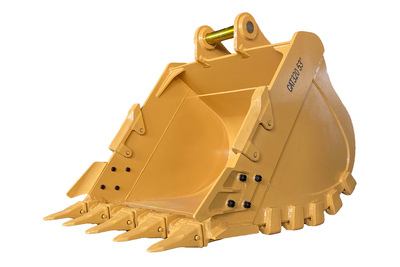
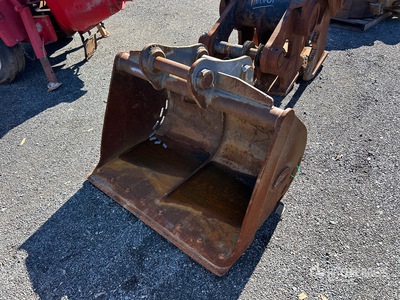
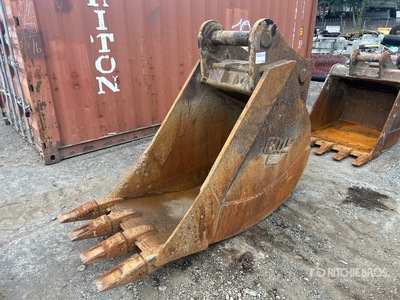
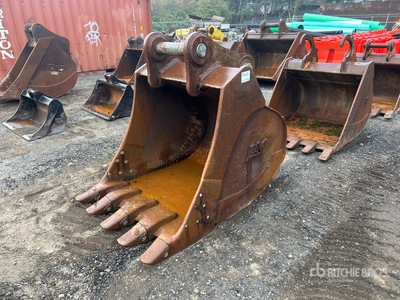
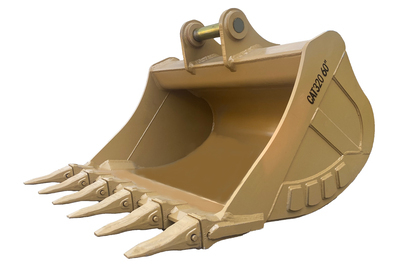
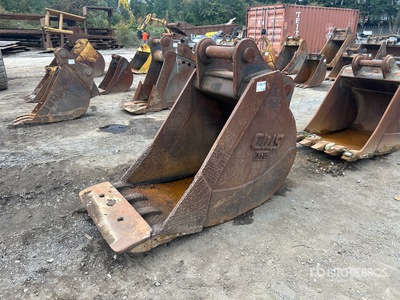
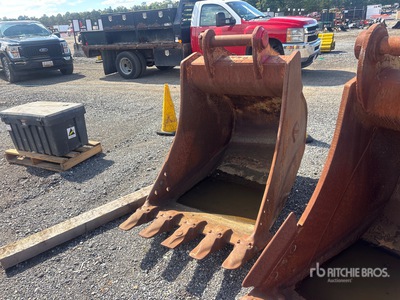
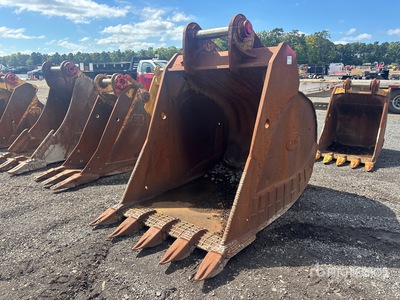
Excavator buckets attach to the end of a boom and stick, and are used to dig through soil, rock, or frost-covered ground. Beyond digging, they're used for demolishing, backfilling, ditching, grading, and leveling. Buying a used excavator bucket is a cost-effective alternative to renting or buying new, and Ritchie Bros. offers multiple ways to buy: live onsite auctions, online auctions, buy now, or make an offer.
What types of excavator buckets are there?
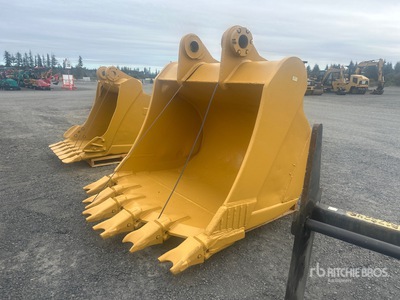
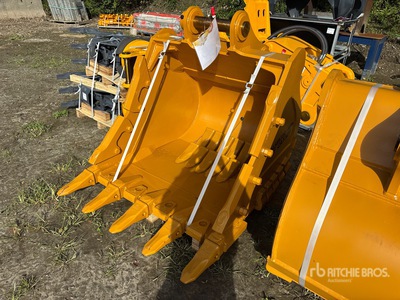
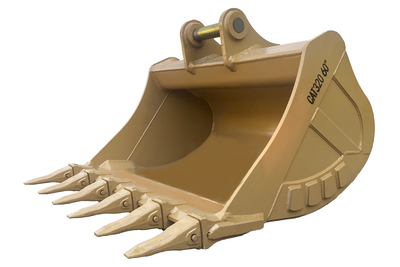
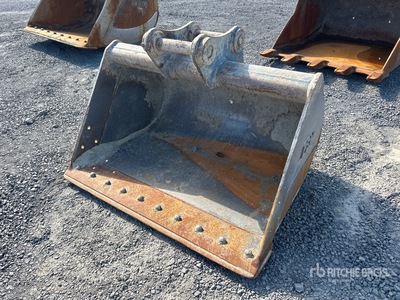
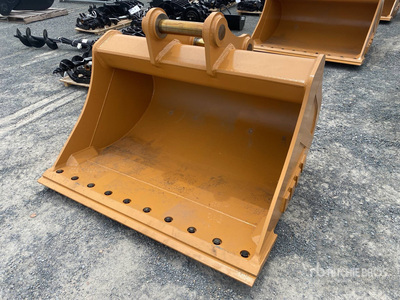
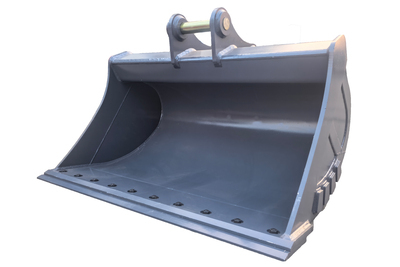
A general purpose (GP) bucket, with teeth along the cutting edge, is the most common choice for everyday digging in mixed soil and rock. A ditching bucket is wider and toothless - typically 5 to 6 feet (1.52 to 1.83 m) - built for grading and shaping wide, shallow excavations like ditches and slopes without tearing up the base material. A trenching bucket is narrower, usually 6 to 24 in (152 to 610 mm), with protruding teeth for digging utility trenches and footings in tighter spaces. Rock buckets add reinforced teeth and a heavier structure for breaking up hard or abrasive material.
What size excavator bucket do I need?
Bucket size needs to match your excavator's operating weight and hydraulic flow - a bucket that's too large will overload the boom and stick, while one that's too small wastes cycles. Also confirm whether the bucket is pin-on or built for a quick coupler, and check that the pin diameter and spacing match your machine; a mismatched coupler is one of the most common reasons a used bucket ends up sitting unused.
What should I check before bidding on a used excavator bucket?
Start with the teeth and cutting edge - uneven or heavily worn teeth mean reduced digging performance and signal how hard the bucket has been run. Check the pins and bushings for play or excessive wear, inspect the back of the bucket and the pivot points for cracked or repaired welds, and look for structural damage like bent sidewalls or a deformed cutting edge. A bucket with worn teeth but a sound structure is often a simple, inexpensive fix; cracked welds or a bent frame are bigger red flags.
Expand your equipment search - find more excavator buckets for sale on our other sites:
Excavator buckets for sale on IronPlanet and Marketplace-E
Buckets for sale on Mascus
Need to sell your excavator bucket? Find out more about our all-inclusive service.